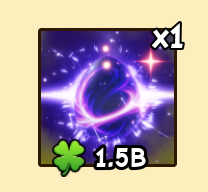
Quick facts
| Rarity | Divine |
|---|---|
| Reported luck | 1.5B |
| How to obtain | World pickup |
| Egg price | No shop purchase price listed; find it in the world |
| Search area | No fixed egg-specific location verified; use the live Track or radar |
Same rarity: Aurora Egg
Galaxy’s facts help separate a Divine world search from a paid product or an Ethereal route copied from another guide. The rarity row identifies the catalogue group, while the luck row retains the source’s own field label. The method requires a successful trip home before there is a result to compare. No fixed Galaxy coordinate is supplied by these fields, so use a current cue and confirm the written name at the destination. A sensible preparation is to identify the final search area and the reverse path together. If the pointer is beyond an obstacle, choose the accessible entrance before pickup rather than treating distance alone as a route. Consider what you want to gain from the run: collection evidence or movement improvement. The former needs an identified completed hatch; the latter needs an actual animal card and a comparison with the ride you already control.
Galaxy Egg rarity and luck
The supplied egg index lists Galaxy as a Divine world pickup with 1.5B luck. No cash purchase price for the egg appears in that record. Luck is a separate catalogue value and should not be converted into a per-pet probability unless the live game publishes that formula.
A world Galaxy run costs travel time and a safe carry. Optional tracking gear costs separately, and a radar can identify a rarity band without guaranteeing a named egg. Check the current Track and Gears Shop before spending: a remembered offer is not a live stock reading.
For a Galaxy plan, write “world pickup” next to the luck figure before comparing any purchases. That prevents the large B suffix from looking like a cash requirement. A tracker, if you choose one, has its own budget and rarity target. Travel and a successful placement still remain your responsibility. Reserve enough session time to finish the trip rather than assuming a high catalogue entry compensates for a rushed approach.
Galaxy Egg location: finding a live target
Treat a Galaxy search as a sequence of decisions made from the current target, rather than a tour copied from a screenshot. Open Track and check which egg the active entry actually names before leaving your plot. If you choose a rarity tracker, inspect its current coverage first: a Divine direction can include a different egg. Travel toward the cue until you can identify an accessible approach, then read Galaxy on the object before collecting. A familiar starry shell is useful recognition, but the written label settles the target.
When the direction points through terrain, stop long enough to compare an entrance with a higher approach. A declining distance does not prove you are at the correct elevation. If the cue disappears before you arrive, reassess the live state instead of treating that stop as a permanent Galaxy spawn. Keep the basket and placement ready during this search. The next section describes a route framework for orienting yourself once a direction exists; it does not supply a substitute signal or a Galaxy coordinate.
- Check Track for a live Galaxy listing and read its requirement.
- Clear a basket slot and prepare an open nest at your plot.
- Rehearse the outbound path and reverse it once before pickup.
- Confirm the in-game label says Galaxy Egg.
- Carry it straight home and follow the current nest prompts.
Where to look for Galaxy Egg
Divide your scouting notes into the Giant Tree, waterfall cave, grey mountain and desert so that you can describe an approach without inventing coordinates. For the tree region, identify the path from familiar shopping ground and the descent you would use afterward. Around the waterfall, distinguish the visible falls from an accessible cave entrance. The grey mountain is a height reference: work out which slope returns you toward the ranch before committing to a climb. These are orientation checks for a Galaxy hunt, not reported Galaxy spawn guarantees.
Use the desert boundary to decide whether the live direction warrants extending the trip. Learn your exit from an unfamiliar interior while the basket is empty, and avoid adding a speculative maze sweep just because another egg guide shows one. A sensible loop connects the regions you already recognize, with the active Galaxy cue choosing the branch to take. Reverse that branch during rehearsal and note the last recognizable junction. If no target is indicated, the loop can teach navigation, but an empty lap cannot establish when or where Galaxy will appear next.
Galaxy Egg return route
The return begins before you interact. On an empty run, check whether you can turn on the mountain edge, leave the cave without backtracking and spot your plot from the final approach. A route that is slightly longer but easy to repeat is safer than a shortcut through an unfamiliar maze.
Once the egg is in the basket, watch the live countdown or warning and return along the route you practiced. Public articles do not agree on all timing details, so use the current interface. Place the egg in an available nest, wait for the displayed hatch state to finish and then inspect the pet result.
On a Galaxy rehearsal, identify the last safe place to change direction before the pickup area. Use it as a checkpoint if the approach becomes harder than expected. The outbound ride can include exploration, but the carrying leg should use the route you already understand. Clear a nest in advance and finish the rehearsal inside the ranch; arriving near home without a placement plan still leaves work for the countdown.
Galaxy Egg hatch: what 1.5B luck actually tells you
Galaxy has a 1.5B luck entry in Beebom’s egg catalogue. Read that as the source’s egg field and retain the Divine classification beside it. The entry helps identify which row a guide is discussing; it does not provide a published Galaxy distribution. Dividing a pet-index denominator by that number would assume a roll formula and eligibility rules that the checked references do not explain. Consequently, this guide does not turn the label into a percentage or a promised number of attempts.
For a practical decision, separate the listing from the outcome you want to evaluate. A Galaxy carry can complete an egg collection goal, while a movement upgrade depends on the animal revealed and its current card. Compare the species through the pet directory after the hatch, using the same route and progression conditions as your present mount. If you use the calculator, enter an independently documented probability and keep any hypothetical luck scenario labeled as an assumption. The calculation can explain repetition under chosen conditions; it cannot establish the missing Galaxy pool from an attractive catalogue number.
What can hatch from Galaxy Egg?
Galaxy is listed by Beebom as a Divine egg with 1.5B luck. A community Dragon-acquisition article mentions Galaxy in its route context, but does not show a Galaxy result table; the pet indexes likewise give overall rather than Galaxy odds.
Galaxy’s documented catalogue identity does not establish that the hatch must produce a cosmic-looking animal or a particular endgame mount. Its name is an egg identifier. To evaluate your completed result, find the revealed species in the pet index and inspect the movement fields that matter for your own route. A clear improvement should be judged against your present mount and comparable progression, rather than against an illustration on the shell.
For an auditable Galaxy outcome, retain the placement screen and the reveal together. A video showing a Dragon in the inventory after a scouting montage cannot exclude an earlier purchase or a different egg. If a creator states that Galaxy produced an animal, look for that uninterrupted connection and the session date. A single documented pairing can support an observation; it cannot supply the complete pool, the distribution among species or a guarantee for the next attempt. Those additional claims remain Unconfirmed until a source documents them explicitly.
Check the pet index for confirmed base attributes, not Galaxy drops
- Beebom egg list — Galaxy tier and 1.5B luck, not a species list.
- Beebom pet index — Dragon and other pet-wide rates; no Galaxy mapping.
- TechWiser pet index — Overall pet odds; it does not allocate them to Galaxy.
- All Things How Dragon route report — Galaxy is mentioned in an acquisition route, without a Galaxy hatch roll or percentage.
Is Galaxy Egg worth hunting?
Galaxy is a high-tier Divine target in the supplied catalogue. It may suit players who already complete long runs and want an index entry or a more advanced hatch attempt. Its 1.5B luck does not promise a Dragon or any other specific result; compare the pet card you receive rather than making a decision from the egg label alone.
If travel is the bottleneck, practice the four regional routes and compare your current mount's speed and jump. If a specific named result is your only goal, verify the current pool before committing to repeated runs. Count completed returns, not sightings, when deciding whether the route is worth your session.
Make the comparison against an available Divine target rather than an assumed Galaxy spawn. If an Aurora cue is accessible and Galaxy is absent, a completed Aurora trip can be a more practical use of a short session. That choice says nothing about undocumented pet odds. Choose Galaxy when the live target, a manageable path and enough time align; otherwise retain the route knowledge for a later opportunity.
Galaxy Egg route mistakes
Do not confuse Galaxy Egg with Dragon Egg. Galaxy is listed among world pickups; Dragon Egg is a separate Shop product. A shop screenshot cannot establish the Galaxy pool, and a Galaxy hunt report cannot establish current Dragon Shop prices.
Do not treat a radar's rarity target as confirmation of the egg name. Read the live label at the marker, keep basket room and avoid detours after pickup. If Track changes or the target disappears, reassess rather than continuing to an old screenshot location.
A community article mentioning Galaxy while discussing a rare animal is not automatically a Galaxy reward table. Check whether it actually shows the egg name at hatch, or merely suggests a general progression route. Likewise, the shell’s space theme cannot identify a specific pet. Keep evidence for finding an egg separate from evidence for its contents. During play, avoid spending your carrying window checking another Divine marker: completing the egg already in your basket is the immediate task.
Frequently asked questions
Where can I find Galaxy Egg in Ride A Pet?
Check the current Track requirement. The broad map regions are Giant Tree, waterfall cave, grey mountain and desert, but no Galaxy-only fixed coordinate is confirmed in the reviewed sources.
How much does Galaxy Egg cost?
It is listed as a world pickup; the source catalogue gives no cash purchase price. Optional gear is a separate cost.
Can Galaxy Egg hatch Dragon?
Some community reporting associates Galaxy routes with Dragon progression, but the 30-pet index does not confirm that pairing or a percentage. Check a current in-game pool or paired hatch record.
Does 1.5B luck guarantee a rare pet?
No. The figure is a listed luck value, not a documented guarantee or named-pet chance.
Where should I start searching for Galaxy Egg in Ride A Pet?
Begin with the current target indication and a route you can reverse. The reviewed catalogue does not provide a fixed Galaxy coordinate, so a generic tree or desert tour is only orientation. Check the live name at the destination and leave a nest available before taking the egg home.
Is Ride A Pet Galaxy Egg guaranteed to hatch Dragon?
No Galaxy-specific Dragon guarantee is established by the checked references. A progression article mentioning both names does not supply a pool or probability. Judge the species that actually appears at reveal, and use its movement record in the pet catalogue to decide whether it improves your current ride.
Sources & editorial notes
Reviewed 2026-10-02. Galaxy’s evidence separates its Divine catalogue row from Dragon progression commentary; navigation advice here is editorial preparation, not a recorded Galaxy playtest.
Galaxy’s large luck entry is taken from the linked catalogue, with the unit left as the source labels it. It is not converted into a spawn frequency, an income prediction or a per-pet chance. The pet indexes cited for comparisons provide a different kind of record: species names and reported movement. That distinction is why a discussion of Galaxy in a progression article does not become a reward table on this page.
We welcome corrections that narrow the actual evidence gap. A current Galaxy index screenshot could verify a changed rarity or luck field. An uninterrupted placement and reveal could document an outcome. A location image should show terrain and orientation, because a close-up shell proves identity but not an approach. Include the source date and separate any event-specific bonus from the baseline reading. These requirements make later revisions traceable and prevent an attractive result image from being treated as a promise to every player.
- All Ride A Pet eggs — Beebom
Supplies Galaxy’s Divine classification and 1.5B luck field. It leaves Galaxy-specific contents and exact coordinates unspecified.
- Ride A Pet pet index — Beebom
Offers species-wide chance and movement rows for evaluating a Galaxy result; none is assigned to Galaxy as its originating egg.
- Dragon progression coverage — All Things How
Mentions Galaxy in a Dragon progression discussion. That context supplies no complete Galaxy roll table or independently verified Dragon guarantee.
- Blackhole and Cherub locations — Pro Game Guides
Documents Blackhole/Cherub terrain approaches, useful for orientation. Its screenshots cannot be relabeled as Galaxy spawn evidence.
- Ride A Pet on Roblox
Identifies the Roblox experience to launch. The public listing does not expose Galaxy eligibility, current targets or an outcome distribution.
Seen a change in the game? Send a correction with a dated screenshot.